
Toward circular elastomers: Covestro opens pilot plant in Leverkusen
- One of the first pilot plants of its kind worldwide for this material class
- More than 90 percent of selected end-of-life Vulkollan material can be recycled, with a carbon footprint reduction of up to two thirds compared with virgin material
- Double-digit million-euro project draws on German chemical and engineering expertise to advance the technology toward industrial application
- Covestro calls for collaboration to build circular value chains for end-of-life elastomers
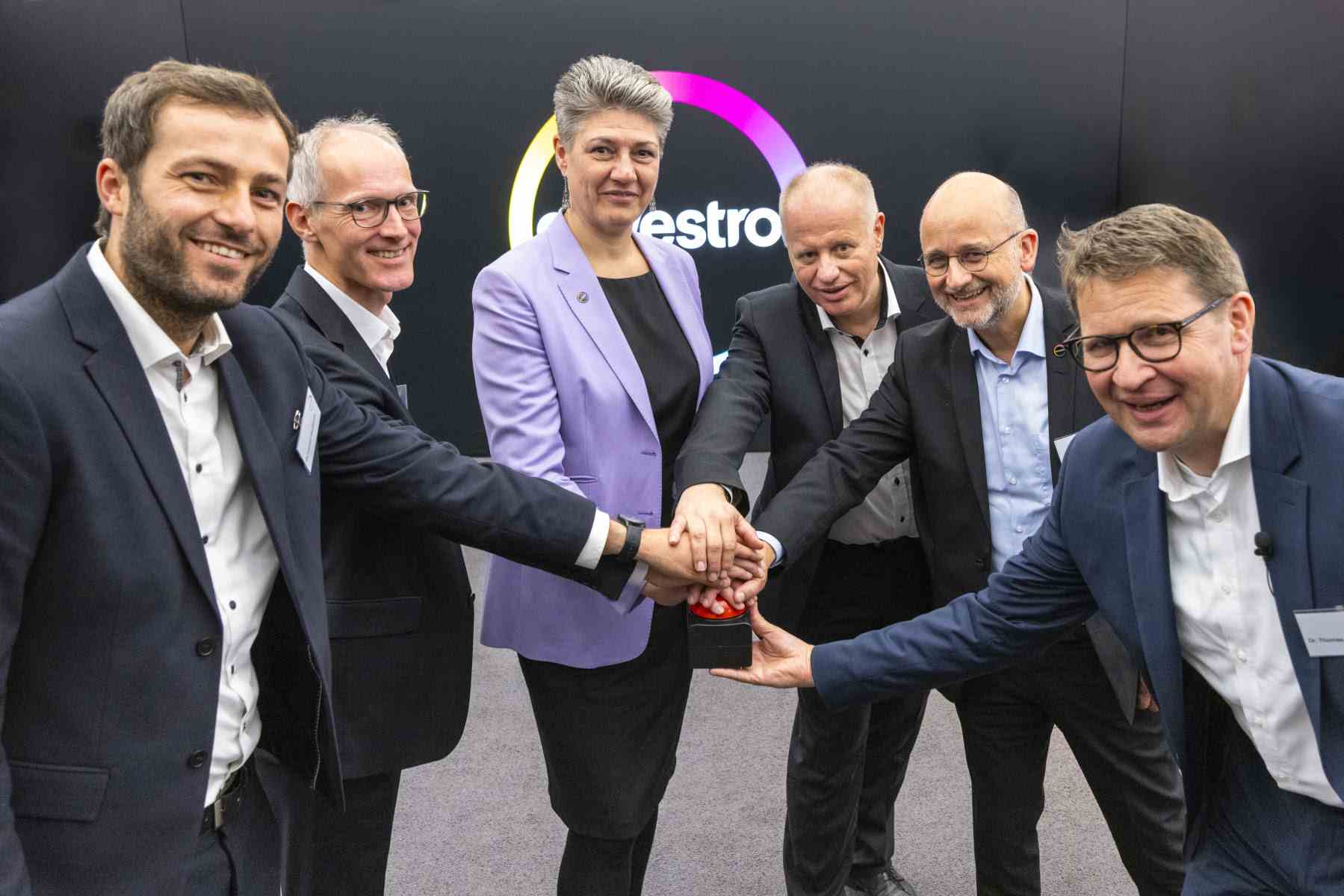
Covestro has opened a new pilot plant for the chemical recycling of high-performance elastomers at its Leverkusen site. The double-digit million-euro project moves a novel recycling process for Vulkollan from laboratory development into pilot operation. As one of the first installations of its kind worldwide for this material class, the pilot plant marks a pioneering step toward future-proof circular solutions for high-performance elastomers. The project draws on Germany’s strong chemical and engineering expertise and underscores Covestro’s commitment to Leverkusen as a location for industrial innovation. “Turning circularity into technically robust and commercially viable solutions is central to Covestro’s strategy,” said Monique Buch, Chief Commercial Officer of Covestro. “With this pilot plant, we are bringing innovative chemistry closer to industrial application and responding to our customers’ growing demand for circular solutions. At the same time, the project demonstrates the contribution that Germany’s industrial and engineering expertise can make to more resilient and circular value chains in Europe.”
From laboratory scale to technical validation
At the heart of the project is Vulkollan, a high-performance polyurethane elastomer used in forklift wheels, railway buffer elements, automotive jounce bumpers, and vibration control components. Often invisible, these materials are essential to the safe, reliable and long-lasting operation of vehicles and industrial equipment.Covestro’s chemical recycling process breaks selected end-of-life Vulkollan material down into purified building blocks for reuse. It enables more than 90 percent of the material by mass to be recycled and can reduce the carbon footprint by up to two thirds compared with fossil-based virgin material.
The new pilot plant takes the technology beyond the laboratory, enabling Covestro to test different waste streams, refine the process and generate the data needed for future industrial scale-up. “This pilot plant is a key step in our pre-industrialization journey,” said Thomas Braig, Head of the Business Entity Elastomers at Covestro. “It allows us to demonstrate the technical feasibility of chemical recycling for Vulkollan, systematically refine the process and lay the groundwork for future industrial application. Our ambition is to develop scalable circular solutions for high-performance elastomers together with our customers and partners.”
Building a circular value chain
Covestro is working with customers, recyclers, waste collectors, logistics providers and other partners to develop the collection and return systems needed for future closed-loop solutions. These partnerships will be essential to securing suitable end-of-life materials, maintaining consistent feedstock quality and establishing an economically viable circular value chain for high-performance elastomers. Building on the work with Vulkollan, Covestro also aims to use this pilot plant to explore circular solutions for selected specialty cast elastomers and thermoplastic polyurethanes (TPU). With the new pilot plant, Covestro is strengthening Leverkusen as a center for sustainable material innovation and advancing its ambition to become fully circular.
#modernplasticsnetwork #printmagazine #printpublication #modernplasticsglobal #modernplasticsnewzealand